General information only; this is not a diagnosis or personal treatment plan. A qualified clinical reviewer is not recorded for this article. Ask a dental professional for advice about your circumstances.
Dental care changes as a family grows
Families in Gregory Hills may be arranging a first dental visit for a child, keeping up with adult check-ups or seeking advice about a specific concern. Each person needs an assessment suited to their age, oral health and medical history. A family dental clinic can make coordination simpler, but it is still important to ask how the practice handles children's appointments and what services it currently provides.
A useful starting point is to keep a note of concerns, medicines, allergies, previous dental treatment and questions. Share relevant details with the dental team, including changes in eating, brushing, pain or sensitivity. This information helps the practitioner decide what to examine and discuss. Online information is general and cannot replace an individual examination or treatment recommendation.
Preventive visits support everyday oral care
At a check-up, a dental practitioner may ask about your health and examine your teeth, gums and mouth. They can discuss ways to reduce the risk of decay and gum problems, demonstrate brushing or flossing techniques, and recommend follow-up based on what they find. A professional clean or X-ray may be appropriate for some people, but the need depends on the individual assessment.
Healthdirect describes six to twelve months as a common check-up interval and recommends asking a dental practitioner what timing suits you. Preventive advice works alongside daily habits: brush twice a day with fluoride toothpaste, clean between teeth, and discuss diet or other habits that affect your mouth. If it is difficult to use floss or another cleaning aid, ask about alternatives that fit your needs.
Children's dental check-ups
Healthdirect advises arranging a child's first dental check-up when their first teeth appear or by around their first birthday. A visit can help a caregiver ask about cleaning a baby's teeth, fluoride toothpaste, snacks and drinks, and what changes to look out for as teeth develop. The dental practitioner can tailor advice to the child's age and situation.
Try to describe the visit in calm, simple terms and bring any questions you have about your child's routine. Let the practice know if your child has additional support needs, previous difficult experiences or a preferred way of communicating. For older children, give them time to ask questions and understand what is happening. If asking about the Child Dental Benefits Schedule, check eligibility and current benefits through Medicare or Services Australia and confirm the clinic's arrangements.
Common restorative concerns
A dentist may assess tooth decay, a loose or damaged filling, a chipped tooth, sensitivity or a change in how the teeth meet. Treatment may involve preventive advice, monitoring, a filling, a crown or another option. The right approach depends on the examination and the extent of the concern. Similar symptoms can have different causes, so avoid self-diagnosing from a list of symptoms online.
Before agreeing to restorative treatment, ask what the dentist found and what options are reasonable. Discuss expected benefits, possible risks, alternatives, the number of visits, maintenance and fees. Ask what could happen if treatment is delayed and whether a second opinion is appropriate. A written estimate or treatment plan can help a family compare choices and plan appointments.
Build a realistic home-care routine
Consistent routines are easier to maintain when they fit family life. Set a regular time for brushing morning and night, use a toothbrush suited to the person's age and ability, and help children brush until they can do it effectively themselves. Ask the dental practitioner how much toothpaste is appropriate for a child and whether any extra preventive care is needed.
Keep water available, follow advice about sugary foods and drinks, and avoid using mouthwash as a substitute for brushing and cleaning between teeth. Mouthwash is not necessary for everyone; ask a practitioner whether a particular rinse is suitable. A small change that a household can keep doing is more useful than an elaborate routine that quickly becomes difficult.
When to contact a dental practice
Don't wait for a scheduled check-up if someone has tooth pain, bleeding, facial swelling, a damaged tooth or a change that worries them. Contact a dental practice for advice and explain when the problem began and whether it is getting worse. Healthdirect recommends prompt assessment for toothache, facial swelling, sensitive teeth or dental trauma.
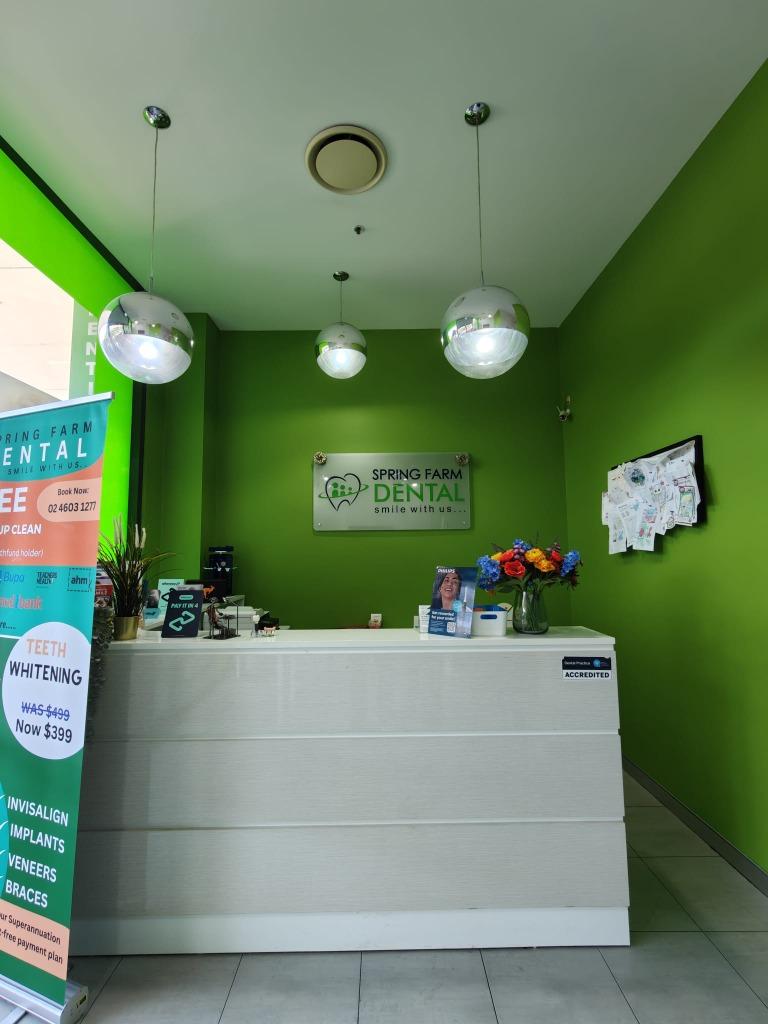
Spring Farm Dental is located at 254 Richardson Rd, Spring Farm NSW 2570, rather than in Gregory Hills. The Gregory Hills location page provides its address and appointment information. Families can use the website's booking page or contact the practice to ask about current availability and the type of appointment needed. For severe swelling or difficulty breathing or swallowing, seek urgent medical care.
Keep a simple family dental record
A shared calendar or note can make routine care easier to manage. Record each person's last visit, the recall timing their practitioner recommended, any treatment follow-up and questions to raise next time. Keep health and medicine information current, especially when a child changes medication or an adult develops a new health condition. This is not a substitute for professional records, but it can help you remember useful details when booking.
When comparing a family dentist near Gregory Hills, ask about appointment coordination and whether family members need separate visits. Confirm the practice's location and current arrangements directly. Spring Farm Dental welcomes enquiries through its website; the Gregory Hills location page explains that the clinic is in Spring Farm and provides local visit information.
Frequently asked questions
When should a child first see a dentist?
Healthdirect advises a first check-up when the first teeth appear or by around the first birthday. Ask a dental practitioner for advice tailored to your child.
Does every family member need a check-up every six months?
Not necessarily. Check-up timing varies; a dental practitioner can recommend an interval based on each person's oral health and risk factors.
What should I do if a family member has tooth pain?
Contact a dental practice for advice rather than waiting for a routine visit. Explain the symptoms and ask what appointment or next step is appropriate.