General information only; this is not a diagnosis or personal treatment plan. A qualified clinical reviewer is not recorded for this article. Ask a dental professional for advice about your circumstances.
A family approach to healthy teeth
Healthy teeth are supported by both daily care and regular professional advice. For a family in Campbelltown, that may mean helping children build a brushing routine, arranging check-ups for adults and seeking advice when something changes. Each person has different needs, so a single schedule or product will not suit every household.
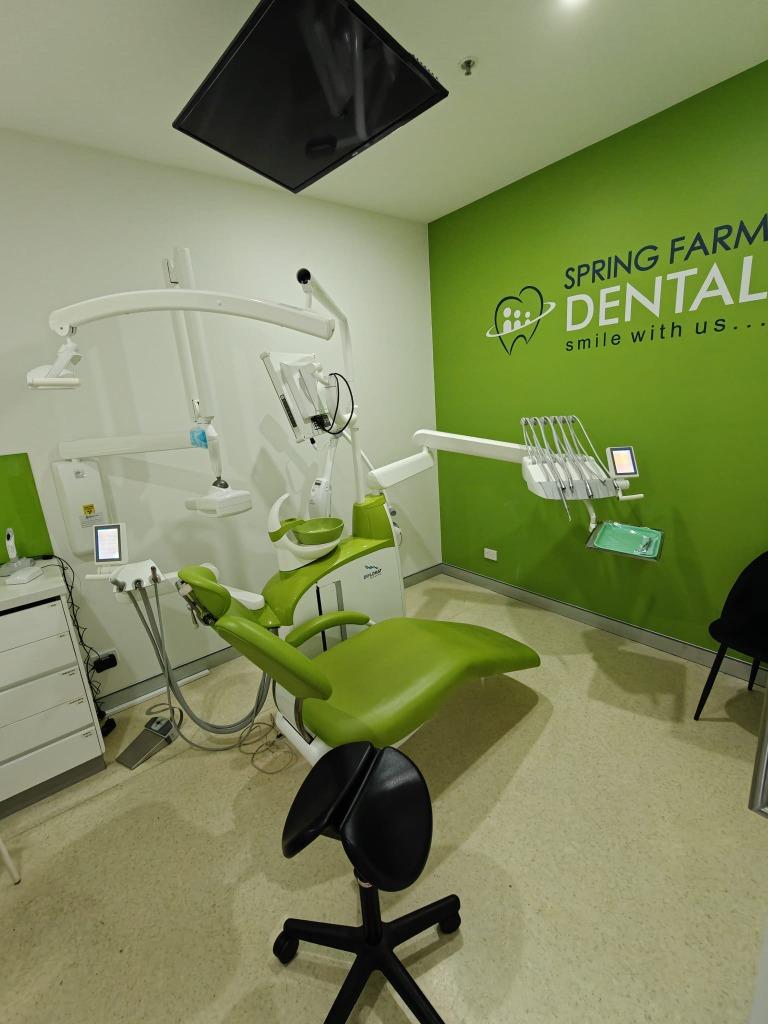
A dental practitioner can help identify concerns, explain prevention and set a follow-up plan. When choosing where to attend, consider appointment access, the actual clinic location, how fees are explained and whether the practice can accommodate the people in your family. Spring Farm Dental is at 254 Richardson Rd, Spring Farm NSW 2570; contact the clinic to check directions, availability and the service you need.
What a routine examination can cover
A dental examination commonly starts with questions about your concerns and health history. The practitioner may look at the teeth, gums and other areas of the mouth, discuss signs of decay or gum problems, and offer advice about cleaning and prevention. Further assessment, imaging or a professional clean may be recommended when relevant to the person being examined.
A check-up can be useful even when nothing hurts, because some concerns may not cause obvious symptoms at first. Healthdirect describes six to twelve months as a common interval, with timing guided by a dental practitioner's advice. If pain, bleeding, swelling, sensitivity or damage occurs between visits, contact a dental professional rather than waiting for the next planned examination.
Preventive care is personal
Prevention may include practical advice on brushing, cleaning between teeth, fluoride toothpaste, food and drink habits, and any additional measures a practitioner considers appropriate. A clean can remove plaque or hardened deposits that are difficult to remove at home. Whether a fluoride application, sealant or another measure is suitable depends on the person's age, teeth and risk factors.
Ask why a preventive treatment is being suggested, what it is expected to do, and what alternatives are available. You can also ask what to do at home and when to return. If a family member has a medical condition, takes regular medicines or experiences dry mouth, mention this because it may affect oral health and the advice that is appropriate.
Common concerns families may notice
Tooth sensitivity, bleeding gums, persistent bad breath, a chipped tooth, a loose filling or pain when chewing are reasons to seek dental advice. These signs do not identify a particular diagnosis on their own. A practitioner can examine the area, ask when the problem started and decide whether treatment or further investigation is needed.
If treatment is proposed, ask for a plain-language explanation of the finding and the options. A filling or crown may be discussed for some damaged teeth, while other concerns may be managed differently. Discuss benefits, risks, expected visits, aftercare and fees before deciding. For an urgent injury or worsening symptoms, call a practice and describe the situation to find out how promptly you should be seen.
Keep home oral hygiene manageable
Brush twice daily with fluoride toothpaste and clean between the teeth each day using a method that suits your mouth. A dental practitioner can demonstrate technique and suggest options if a toothbrush or floss is difficult to use. Replace a worn brush and follow the product directions; children may need supervision or help to brush thoroughly.
Water is a useful everyday drink, and limiting how often teeth are exposed to sugary foods and drinks can support oral health. Mouthwash is optional for many people and does not replace brushing or cleaning between teeth. If you are considering a medicated or high-fluoride product, ask a dental practitioner whether it is appropriate rather than choosing it based only on packaging or advertising.
Make check-ups easier for children and adults
For children, use a calm explanation of what will happen and share any worries with the clinic before the visit. Caregivers can ask about the first check-up, cleaning a child's teeth and age-appropriate toothpaste. Adults should share relevant health information, medicines and previous treatment, and can tell the team if they feel anxious or need extra time to understand a recommendation.
Before booking, ask about appointment types, current fees, payment arrangements and how urgent concerns are triaged. If you want to use private health insurance or a public benefit, confirm the details with the insurer or government service and the clinic. The Campbelltown location page and contact page provide local information for people considering a visit to the Spring Farm practice.
A routine you can keep
A useful family plan is one everyone can follow: set regular brushing times, keep suitable toothbrushes and toothpaste accessible, and make appointments before the calendar becomes crowded. Ask the practitioner to help adapt the routine if a child resists brushing, an adult has limited hand movement or a family member needs a different cleaning aid. Small, consistent steps and tailored professional advice are more dependable than changing products whenever a new claim appears.
For a check-up or a concern that has appeared between visits, contact a dental clinic and ask which appointment is appropriate. Spring Farm Dental's Campbelltown location page gives directions to the practice at 254 Richardson Rd, Spring Farm NSW 2570. Use the contact or online booking details to confirm current availability and fees.
Frequently asked questions
Do I need a check-up if I have no tooth pain?
Regular check-ups can help assess oral health even when there is no pain. Ask a dental practitioner what interval is suitable for you.
What if my gums bleed when I brush?
Bleeding can have different causes. Arrange dental advice, especially if it continues or is accompanied by pain, swelling or other changes.
Is mouthwash needed for everyone?
No. Mouthwash is not essential for everyone and does not replace brushing and cleaning between teeth. Ask a dental practitioner about a specific product.