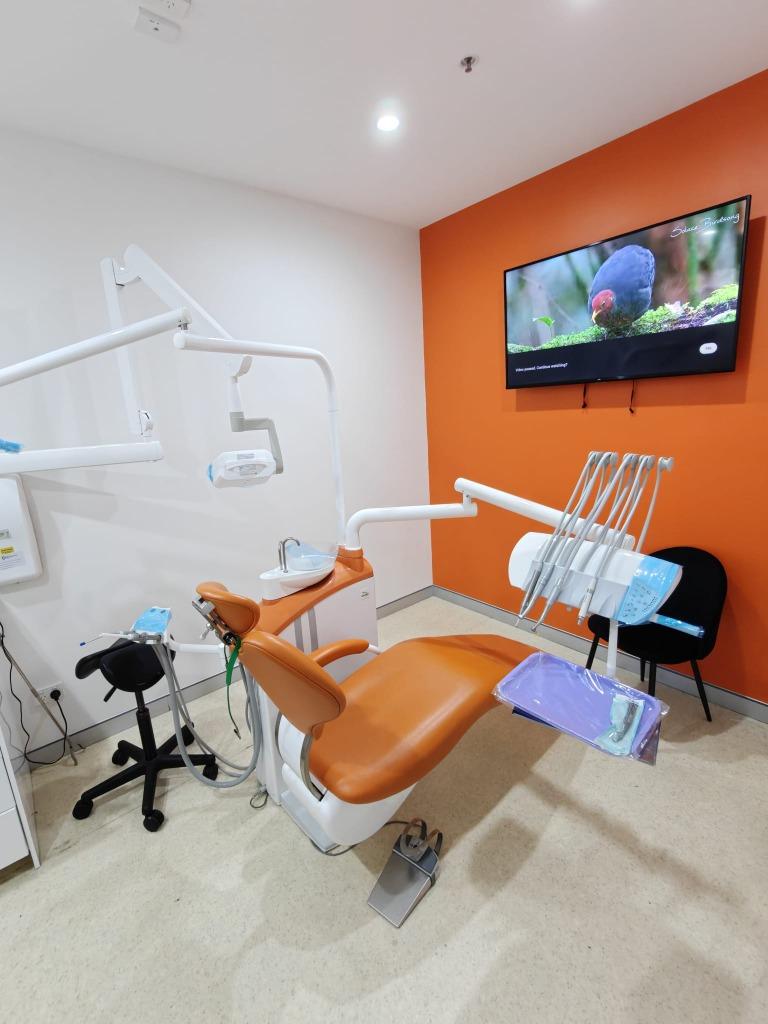
General information only; this is not a diagnosis or personal treatment plan. A qualified clinical reviewer is not recorded for this article. Ask a dental professional for advice about your circumstances.
Routine visits and changes in your mouth
A dental visit may be routine or prompted by a new concern. Check-ups allow a dental practitioner to examine your teeth and gums, discuss your oral health and offer preventive advice. Healthdirect describes six to twelve months as a common interval, but the right timing depends on the individual and should be discussed with a practitioner.
You may need advice sooner if something changes. Toothache, bleeding, facial swelling, tooth sensitivity, a damaged tooth or a sore area that concerns you are reasons to contact a dental professional. Describe what you have noticed and when it began. Symptoms alone cannot tell you the cause, and an online article cannot decide whether a particular treatment is needed.
Toothache and other symptoms
Toothache can have different causes, including decay, injury or other dental conditions. Pain that is persistent, worsening or affecting eating and sleep should be discussed with a dental practitioner. Also mention swelling, fever, a bad taste, sensitivity or difficulty opening your mouth. The team can ask questions and advise how to arrange an assessment based on what you describe.
Do not put aspirin, alcohol or household products directly onto a tooth or gum, and do not use leftover prescription medicine without professional advice. If you are unsure what you can safely do while arranging care, ask a pharmacist, dentist or health advice service. For severe facial or mouth swelling, heavy bleeding, or difficulty breathing or swallowing, seek urgent medical care; call Triple Zero (000) if there is immediate danger.
Dental injuries need assessment
A fall, sports collision or bite on a hard object can chip, crack, loosen or displace a tooth. Healthdirect advises seeing a dentist after a dental injury because damage may not be obvious at first. Contact a dental practice promptly and explain what happened, when it occurred and whether there is pain, bleeding or swelling.
If an adult tooth has been knocked out, seek urgent dental or hospital care and follow current first-aid guidance from a health professional. Handle the tooth by its crown and avoid touching the root. A knocked-out baby tooth should not be put back into the socket. Because injury advice depends on the circumstances, call a dental practice or Healthdirect for guidance rather than relying on a general article.
What to expect from an assessment
At an appointment, the practitioner may ask about your health, medicines, allergies and what symptoms you have experienced. They can examine the affected area and explain any further checks that may be useful. Depending on the findings, they may discuss monitoring, preventive care, a filling, a crown, another treatment or referral. Not every person with the same symptom needs the same care.
Before agreeing to a procedure, ask what the assessment found, what options are available, their benefits and risks, what may happen if you wait, and the likely costs and follow-up. If you are unclear, ask for the explanation in different words or request a written plan. Understanding the choices helps you make an informed decision with the practitioner.
Prevention between appointments
Daily habits support oral health between visits. Brush twice a day with fluoride toothpaste, clean between teeth, and ask your dental practitioner to check your technique. For children, caregivers may need to supervise brushing. Talk about sugary food and drink frequency, dry mouth or other habits that could affect teeth and gums; the advice should fit the person's age and health.
A routine visit is also a chance to discuss products or preventive treatments. Not everyone needs the same mouthwash, fluoride application or cleaning aid. Ask why a recommendation is relevant to you and how to use it safely. Keep up with the recall interval recommended for your circumstances, while arranging an earlier assessment if a new symptom appears.
Finding care near Currans Hill
When choosing a dental clinic near Currans Hill, confirm its actual location, appointment hours, current availability and how to contact the team about urgent concerns. Ask what details to provide when booking and whether the clinic offers the type of assessment you need. Fees and payment arrangements can vary, so request current information before treatment.
Spring Farm Dental is located at 254 Richardson Rd, Spring Farm NSW 2570, not in Currans Hill. The practice's Currans Hill page provides location information, and the contact or online booking page can be used for an enquiry. If pain or injury is the reason for your visit, call the clinic and describe the symptoms so staff can advise about the next step and availability.
Decide what to do next
When you call, give a concise description: where the problem is, when it started, whether it is worsening and whether there is swelling, bleeding or an injury. Mention relevant medical conditions and medicines. Ask whether the clinic can assess the concern and what appointment availability looks like. Reception staff can help with booking information, while a dental practitioner provides clinical advice and assessment.
For routine care, follow the recall timing recommended for you and keep daily brushing and between-teeth cleaning manageable. For a new concern, do not assume it can wait based only on a web page. Contact a dental professional, and use urgent medical services for serious symptoms such as difficulty breathing or swallowing or heavy bleeding.
Frequently asked questions
Should I wait for my regular check-up if I have a toothache?
Contact a dental practice for advice rather than waiting for a routine appointment. Explain when the pain started and whether it is changing.
What should I do after a dental injury?
Contact a dentist for assessment and describe the injury. Seek urgent help for heavy bleeding, significant swelling or a knocked-out adult tooth.
When is a dental problem a medical emergency?
Difficulty breathing or swallowing, heavy bleeding or severe mouth swelling needs urgent medical care. Call Triple Zero (000) if there is immediate danger.